BBQ Without Borders is a day to show unity, cultivating a space where immigrants can celebrate their culture’s positive additions to our society. Immigrants have long contributed valuable sustainable practices, from eco-friendly farming to a deep respect for nature, helping us “cook up” a more sustainable future.
Last year in August 2025, we joined with talented culinary figures, performers, and artists in the Bay Area to celebrate our immigration stories and raised money for our Resilience Fund.
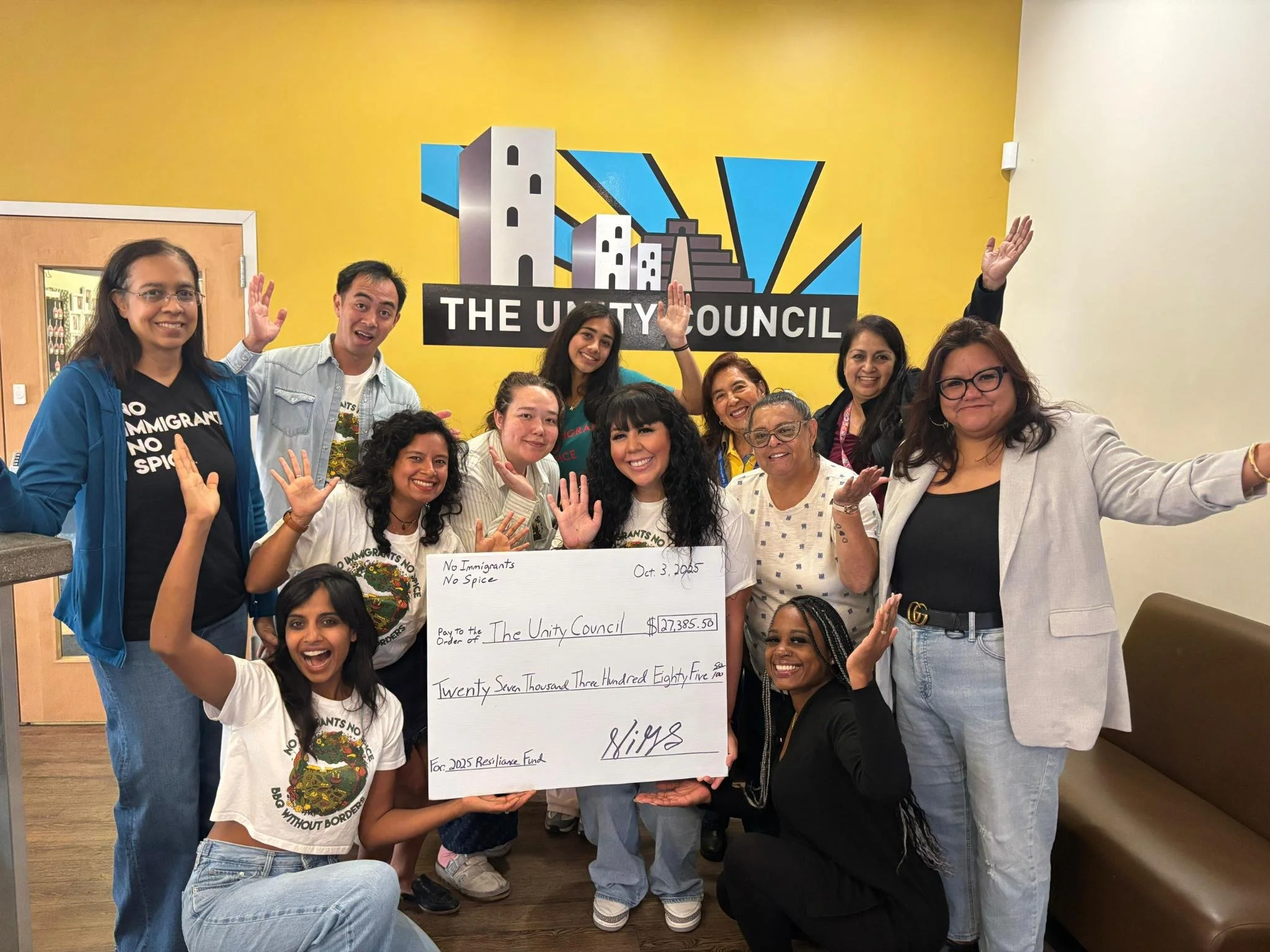
With the Unity Council, we were able to distribute $27,385.50 via microgrants to our community.
Meet our 2025 Chefs

“When I share and give myself to people in the community, I feel like I belong. I’m part of something.”
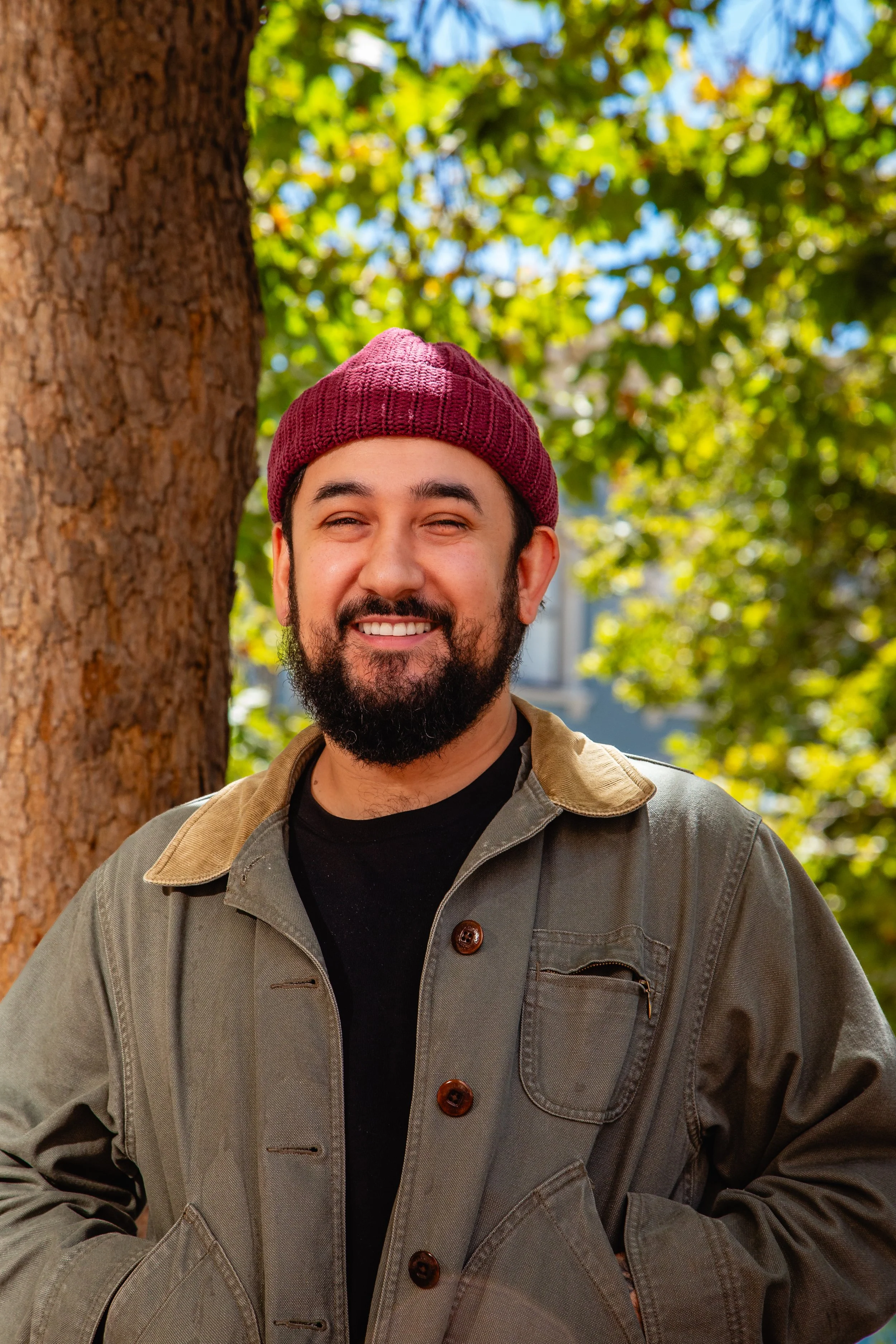
Chef Anthony Salguero
All Around the Bay
“I’m from San Francisco, San Jose, and Oakland–all over the Bay Area, basically,” says Anthony Salguero. In addition to having memories of living in the Mission as a kid, he spent most of his formative years in San Jose and Oakland. Today, he calls Oakland home.
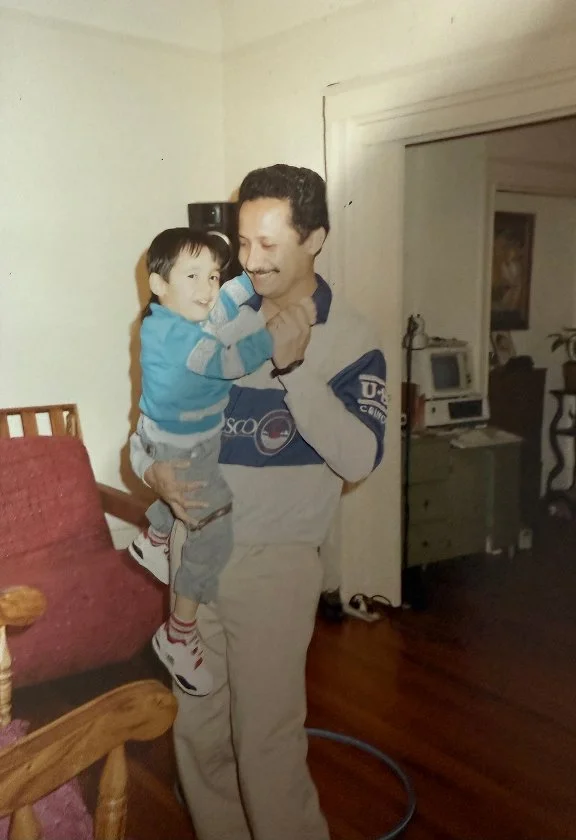
His family’s story is woven into the city, too. “My dad came here in the ‘80s during the war in El Salvador,” Anthony shares. “My mom was raised in San Francisco as well as New York. My grandparents are from Puerto Rico.”
Time In El Salvador
When he began visiting El Salvador as an adult, one dish, gallo en chicha–a traditional rooster stew–became a turning point. “The first time I had it blew my mind. I wanted to keep exploring my culture's food which made me feel closer to myself and learn more about my culture.”
Community Driven Food
For Anthony, food is a way to gather, connect, and care.
“The biggest one was pasteles,” he recalls. “Every holiday we’d make tons of them. My aunt or grandma would hand them out to everybody. They’re such a community-driven food. We’re just passing them out, making them together.”
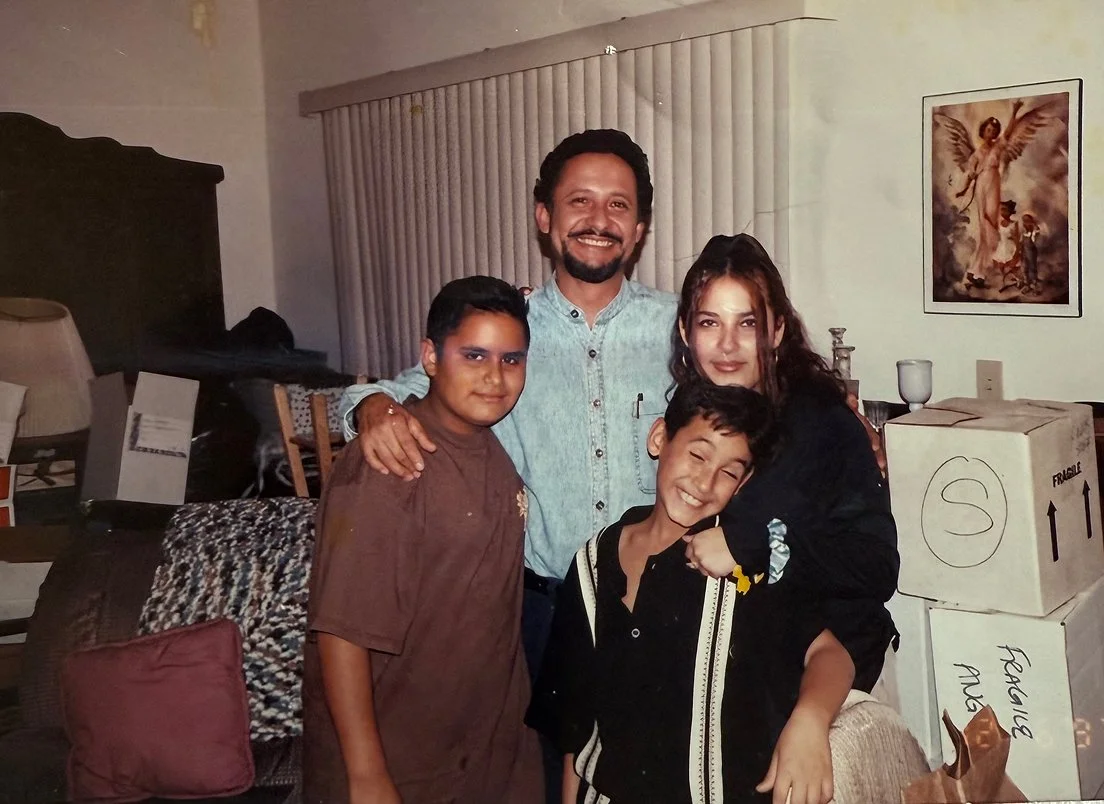
Finding Authenticity
Popoca, Anthony’s Salvadoran-inspired restaurant, is an authentic reflection of who he is: a Bay Area lifer, a child of immigrants with diverse backgrounds, and an impassioned chef yearning for connection. Signs of these influences can be directly found in the innovative dishes he serves to the dark green plants accenting the restaurant’s interior.
“It’s not traditional Salvadoran food, but it’s still authentic–it’s a reflection of what it was like growing up as a first generation American,” Anthony says, “If I can do that and take care of the people I love, then that feels like success to me.”
Immigrants Are Just Like You
“One thing I want people to know about immigrants is that they’re just like you,” Anthony states. “They’re not different. We make these imaginary lines separating us, be we all have the same fears. We all have the same wants and needs.”
Frustrated by the scapegoating of immigrants during difficult times, Anthony says, “People blame immigrants, but it’s kind of a trick–it’s really our systems that aren’t taking care of us. It’s easy when someone’s telling you it’s a certain people’s fault, when it’s really not.”

“Through food, we learn more about our culture and ancestral practices.“
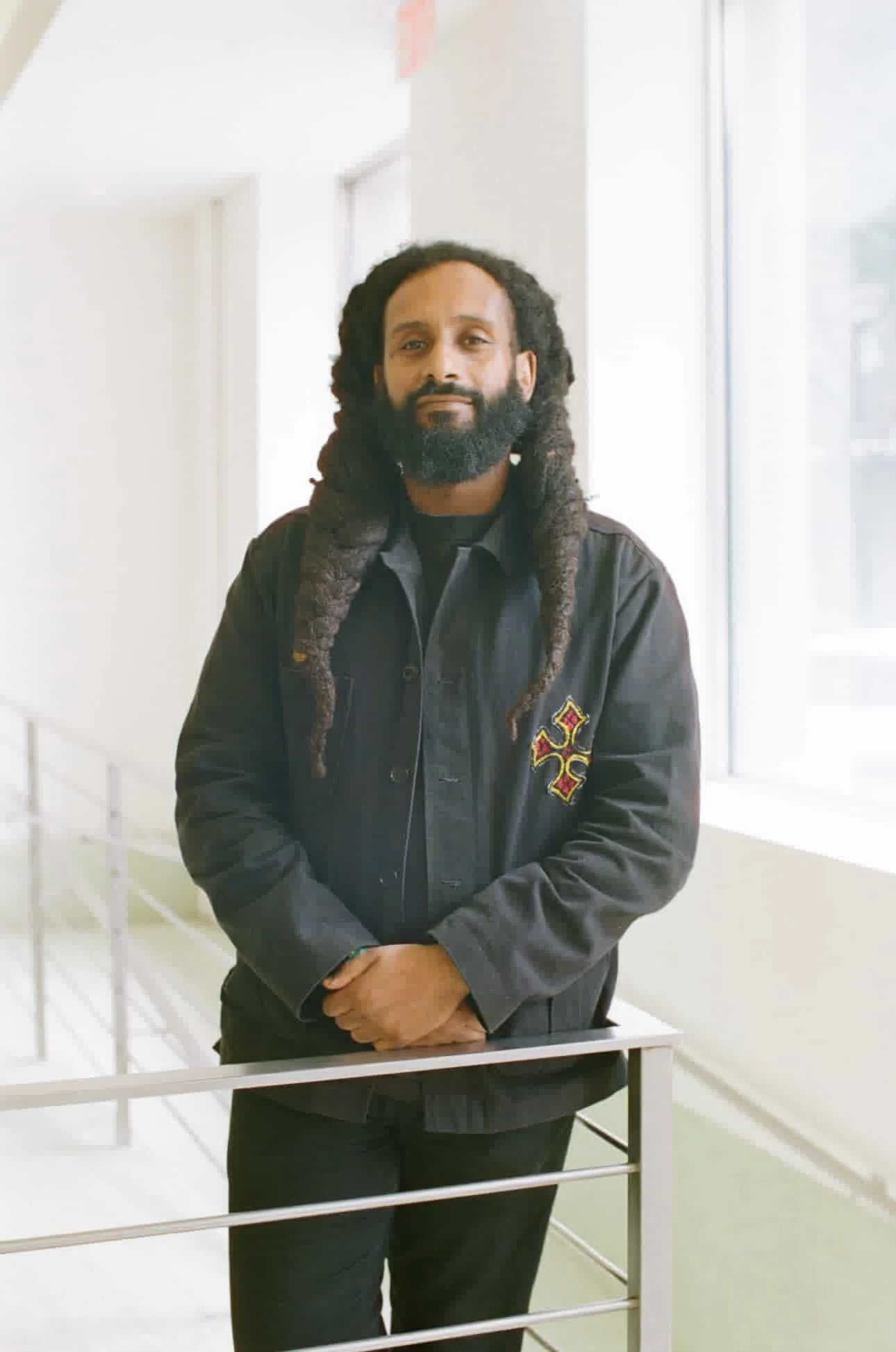
Daniel Aderaw Yeshiwas
Sustaining Ancestral Practices
For Daniel, growing up in Dublin, California meant navigating suburban life and Ethiopian heritage. “We’d always go to the park after school. That kind of stuff was huge,” Daniel recalls.
Inside the home, a different culture pulsed. His parents, who immigrated from Ethiopia in the 70s, found their way to the Bay Area after knowing folks who were doing well there.
At Cafe Colucci, the menu celebrates that duality. “We’re an authentic Ethiopian restaurant,” Daniel says, “but there are touches of California. You see a lot of the vegetables, the freshness, the color palette.”
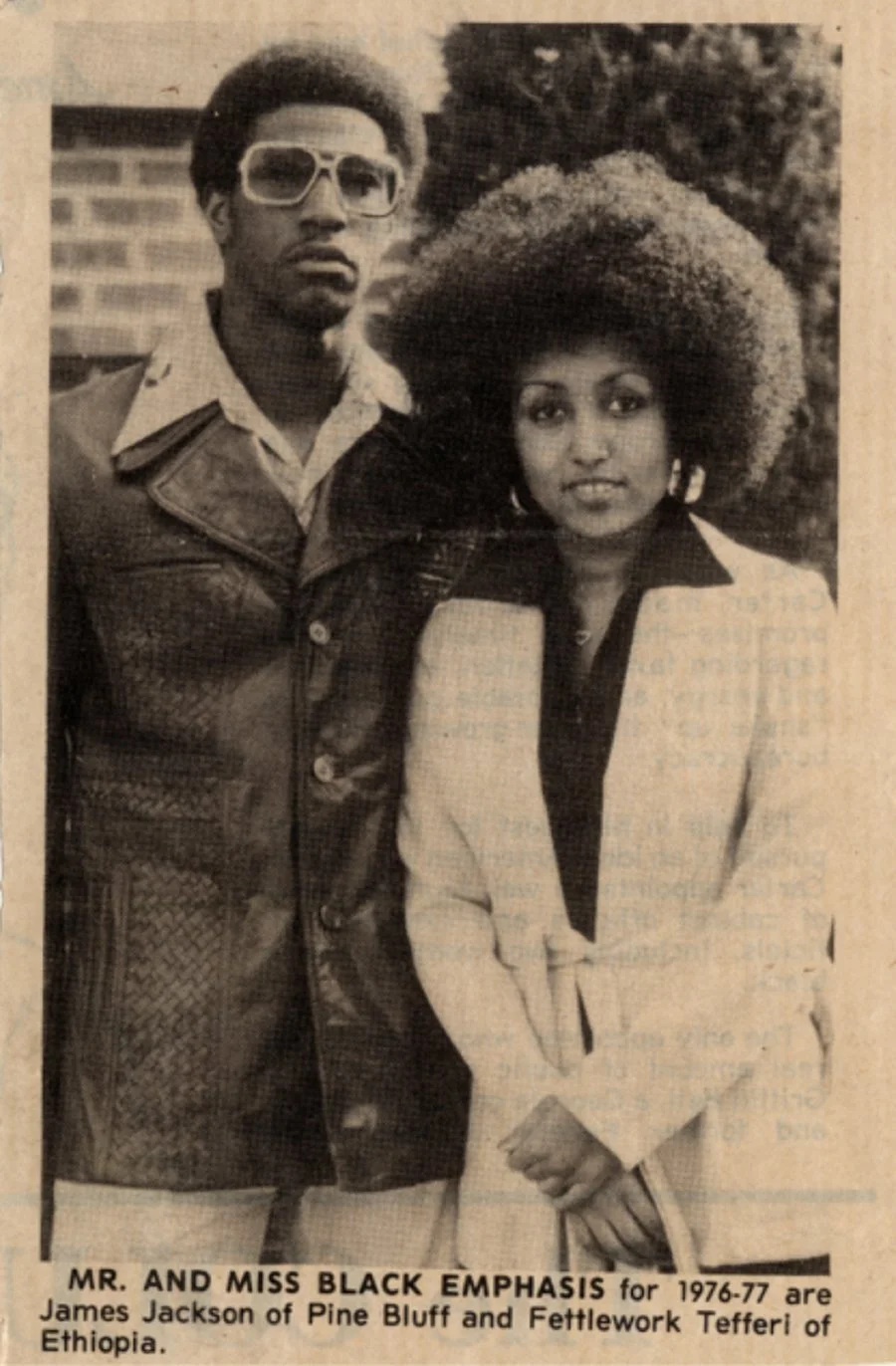
Bay Area Born and Raised
For Daniel, growing up in Dublin, California meant navigating suburban life and Ethiopian heritage. “We’d always go to the park after school. That kind of stuff was huge,” Daniel recalls.
Inside the home, a different culture pulsed. His parents, who immigrated from Ethiopia in the 70s, found their way to the Bay Area after knowing folks who were doing well there.
At Cafe Colucci, the menu celebrates that duality. “We’re an authentic Ethiopian restaurant,” Daniel says, “but there are touches of California. You see a lot of the vegetables, the freshness, the color palette.”
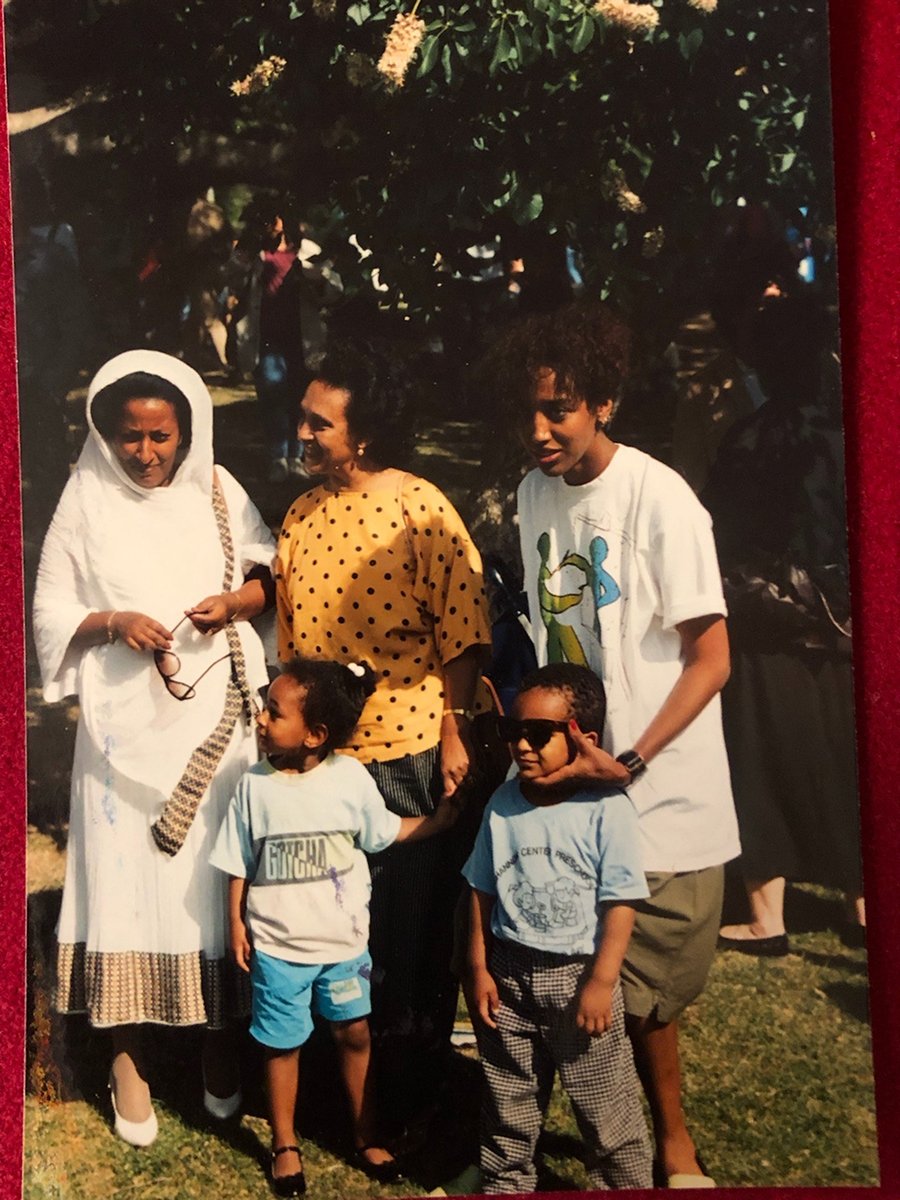
Bringing a Piece of Home Back
“I just wanted to have something in my house that was from Ethiopia, but translated well.”
Daniel’s connection to Ethiopian heritage took root not just in cultural practices, but also in longing for tangible products that could connect him, and others, to a country often out of reach for many.
His thoughts cultivated into Brundo Spice Company, a line of Ethiopian spices. “It was cool, the idea that we could just bring something from Ethiopia that somebody can integrate into their lives,” he says. “You want to maintain a connection to culture in a way that preserves it. You want to be able to share it.”
Finding Authenticity
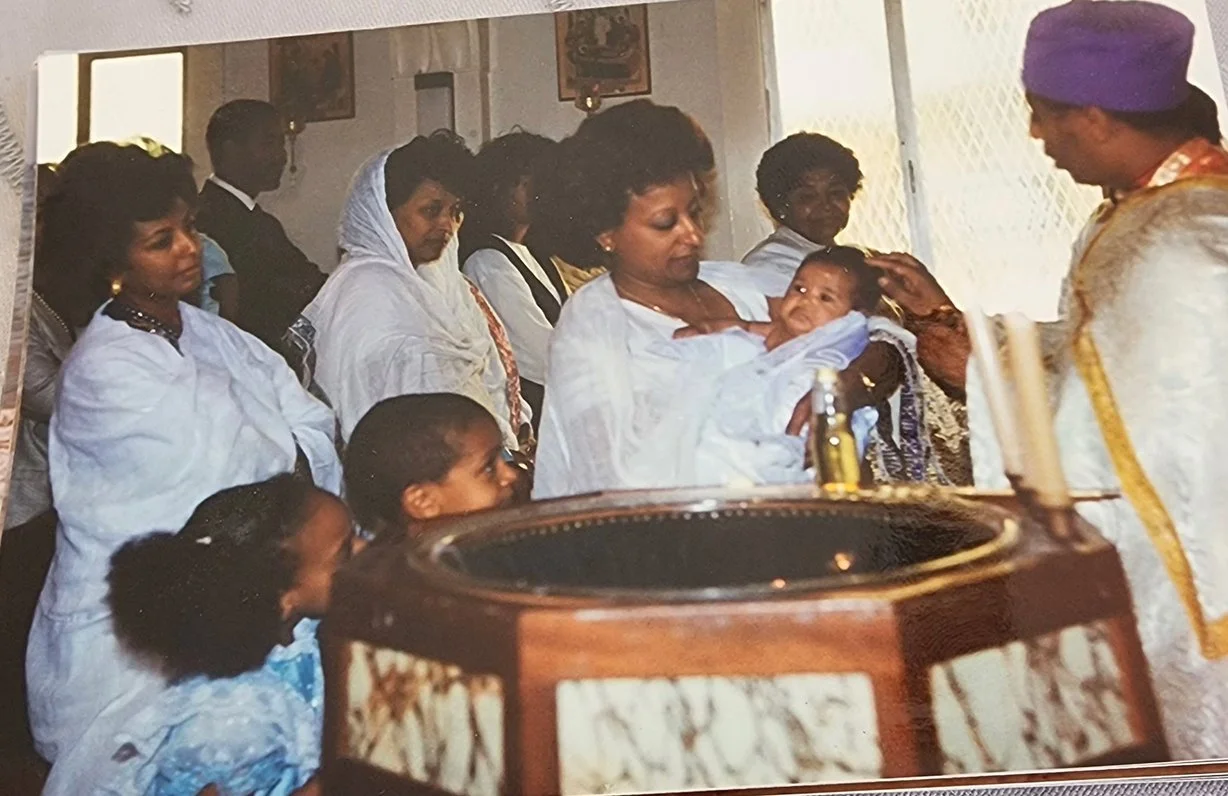
Ethiopian culture, as Daniel describes, has long been one of preservation and humility. “We’re not super loud. We’re not braggadocious. We’re quiet, hardworking people.”
Part of Daniel’s mission is to open that closeness up–to make it accessible to those outside the community. Not through appropriation or reduction, but through thoughtful presentation.
This shows up in the food and its framing. “Everything we do has the Ethiopian spelling with Amharic,” he explains, referencing the language’s script, Ge’ez. “I really want people to see this original language we have, to say it, and then to understand what it is.”
1000 lb of Onion
“People don’t respect this food enough,” Daniel says. “They work hard to make this food. There’s a disconnect.”
Daniel set out to change that. And it starts by revealing what’s behind the plate.
“We order sometimes close to 1000 pounds of onions a week,” he states. “It takes two days to cook them down and add sauce to it.” For the injera, it’s a multi-day process that takes ten hours a day. Their most popular Ethiopian spice, berbere, “takes up to two weeks–the chilies are roasted in the sun, get processed, get blended–there are thirteen different components.”
All of this love, he says, is invisible unless communicated.

“I think it’s the same as anyone who migrates from their homeland to this country: you leave your country or your hometown, but in the process, you trade your dreams for the people you love.”
Chef Maria Marquez
Taking Care of the Planet
For Chef Maria, being sustainable is what keeps our home, the Earth, clean. “Obviously, I think we all want to, and we all should be doing more in that area–to take care of the planet, which we’ve already damaged so much,” she says. This includes practices like having separate bins for trash, compost, and recycling, and consciously buying products they can use completely and properly.
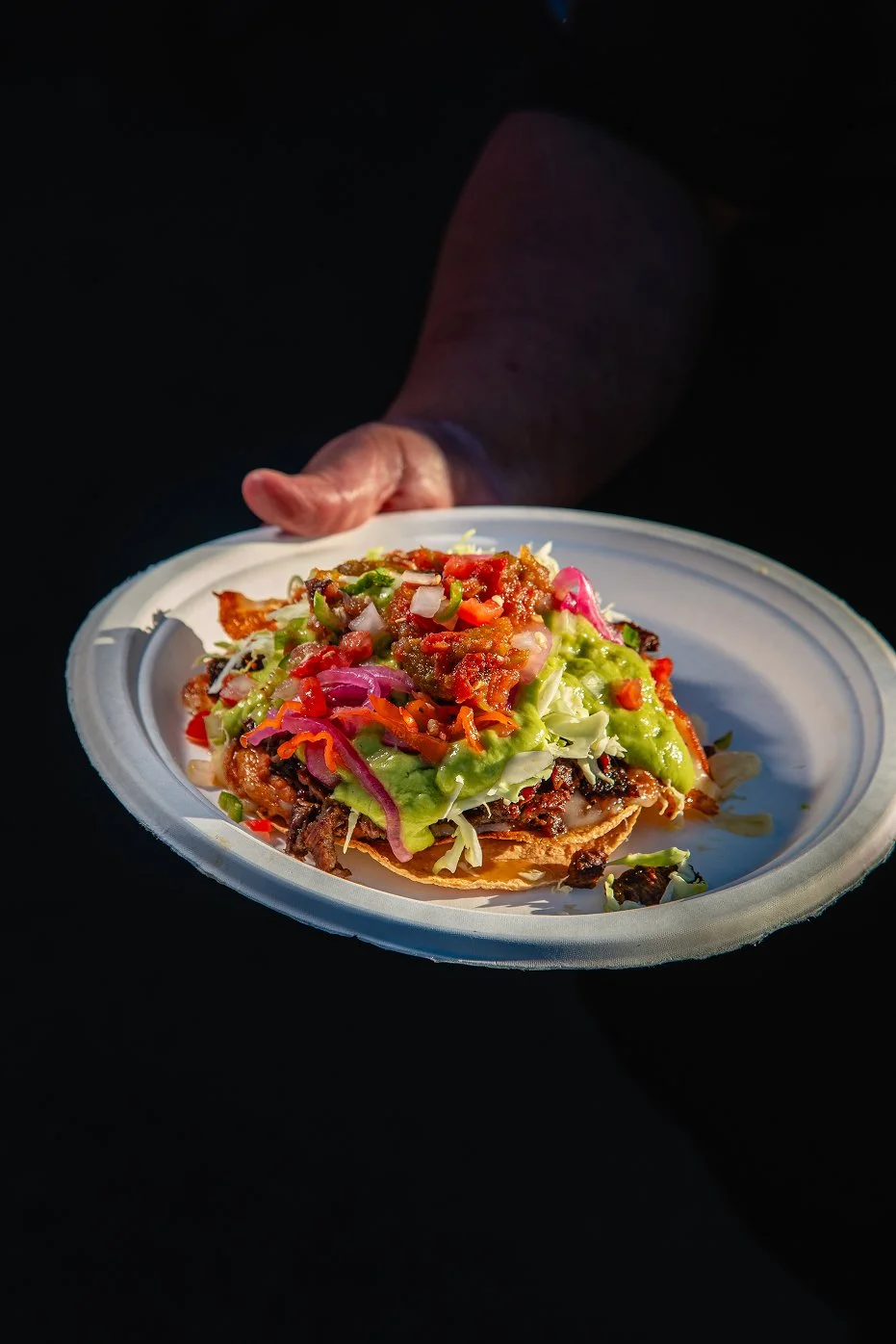
From Sonora to the Bay
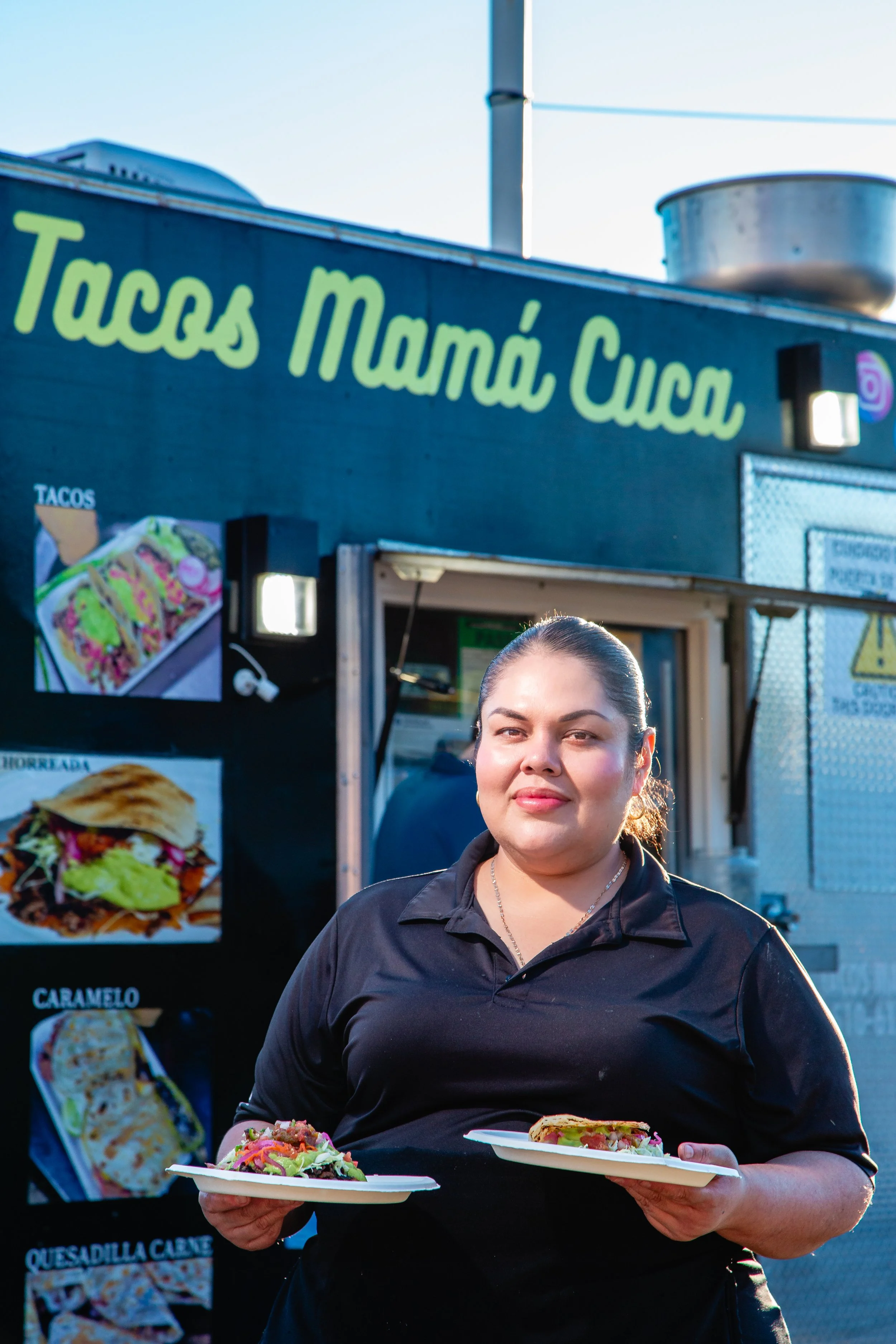
Raised in the heart of Sonora, Mexico, Chef Maria’s favorite childhood memories are steeped in the scent of fresh flour tortillas, lovingly made by her mother.
“My favorite memory is when I’d get home from school. She’d be making tortillas. She was always making them,” Maria recalls. What started as a playful way to connect with her family became a skill she mastered from a young age.
“Mothers make tortillas and they give dough to the kids to play with. That’s how you learn. Making tortillas in childhood was like a game. Before I knew it, I was making flour tortillas. Now it’s our livelihood.”
We’re All Immigrants
“Land isn’t really owned by anyone. If you do things well, you feel like you’re giving back, that you’re a person who contributes in a place–that’s your land, the place that welcomes you, where you grow and your years become real.”
Being an immigrant, Maria says, is filled with both gratitude and grief. “Sometimes I ask myself, is it worth it? But we grow up, we form our goals, and we have to fight and work towards those goals.”
She says that the fight feels heavier today. “[Being an immigrant] brings a lot of nostalgia, uncertainty, and fear because we don’t know what’s going to happen. We pay taxes, we work hard, we try to be good citizens–right now, it doesn’t feel like we’re seen that way.
Chef Maria sees herself not just as an immigrant, but as someone claiming her space. “They say this isn’t our country. But this is where we’ve built something. We’re in California–a place they say used to be part of Mexico. So really, we’re all immigrants.”
A Cart, a Driveway, and a Dream
Tacos Mamá Cuca was born when Maria and her husband lost their jobs during the pandemic and decided to turn to what they knew best–Sonoran cooking. “We sold trays with taco fillings. Because of the pandemic, we couldn’t sell tacos,” Maria recounts. But soon after, Maria’s husband bought a taco cart and started selling out of their driveway. That’s when word got out.
Their cart quickly became a community favorite. Their handmade flour tortillas and deeply rooted flavors garnered local attention. “We were featured in the San Francisco Chronicle, and they called us one of the best tacos in the Bay.”
Today, Maria remains hopeful. “The business is going through hard times because of everything happening–the economy, the uncertainty–but that’s part of the process. This is what we’ve been dealt. So we pray a lot and keep working.”
Made With Care
Even as co-owner, Maria is still behind the grill. “We’re hands-on with everything, always paying attention to every detail. We do things as if they were for ourselves. For me, when I’m at the grill making tacos, I imagine I’m going to eat that taco. And, of course, we all like to eat good food. We all like what’s made with care.”

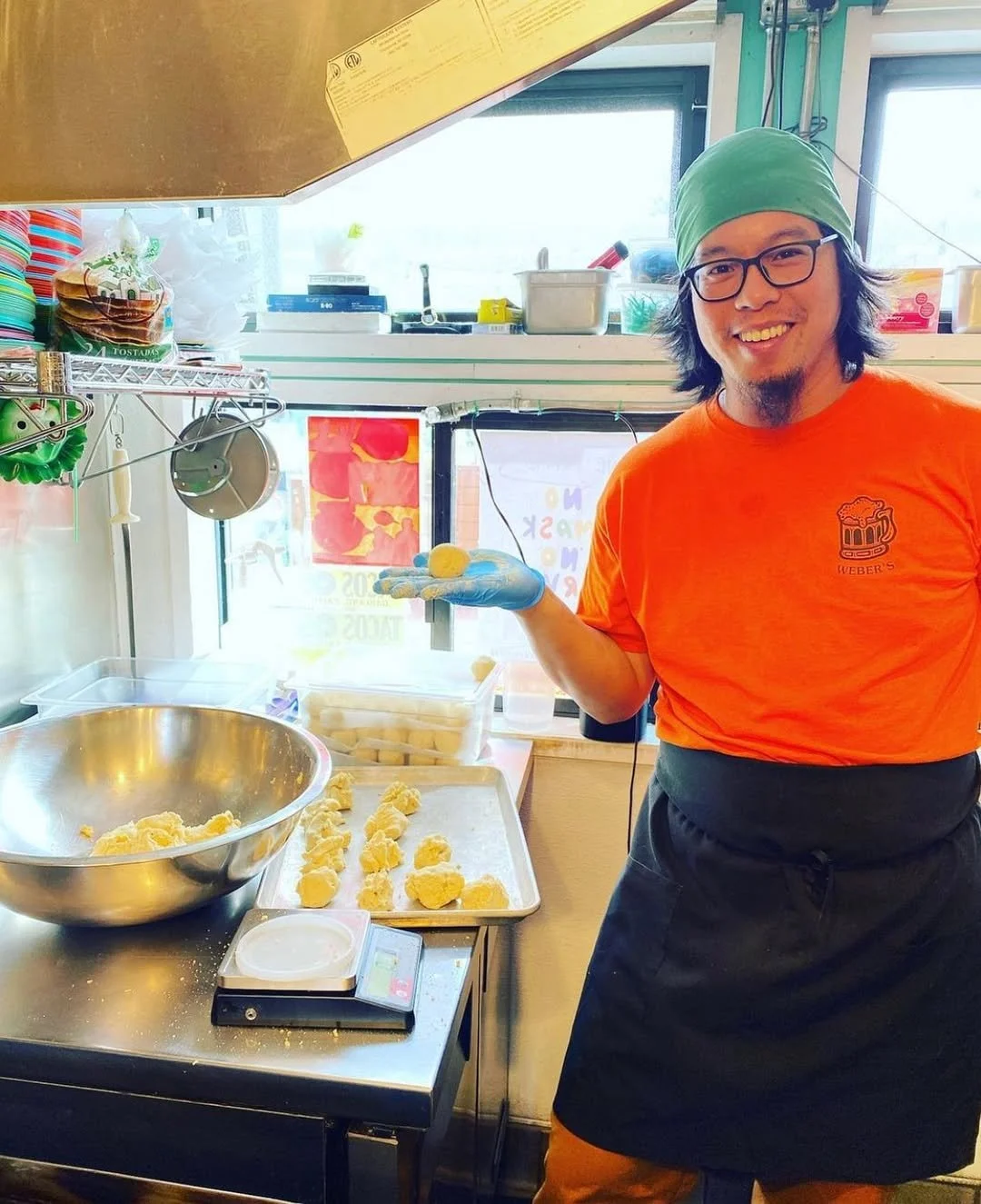
“I’m honored to step in for Tacos Mama Cuca and carry forward the spirit of BBQ Without Borders. I supported this event in 2019, and it’s always been about more than food—it’s about community. Maria’s passion is an inspiration. I’m committed to bringing heart and authentic flavor to this year’s event, honoring her legacy and the power of our community.”
Chef Sincere
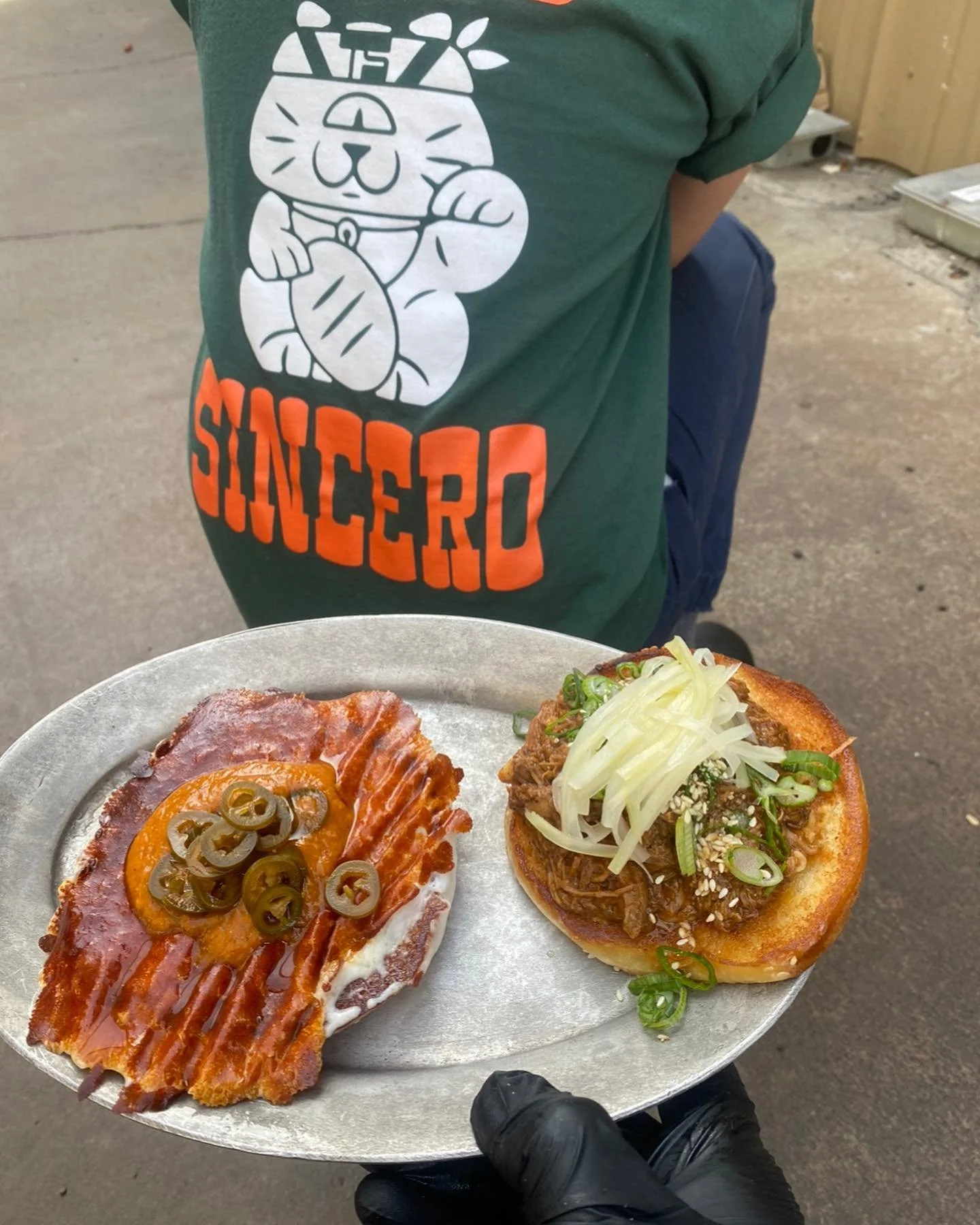
“Every time I cook, I’m reminded that food is a living connection to community—both past and present. The inspiration comes not just from my own heritage but from the people I meet and the diverse voices that shape our shared table. That's what keeps my food vibrant and ever-evolving.”
Chef Sincere
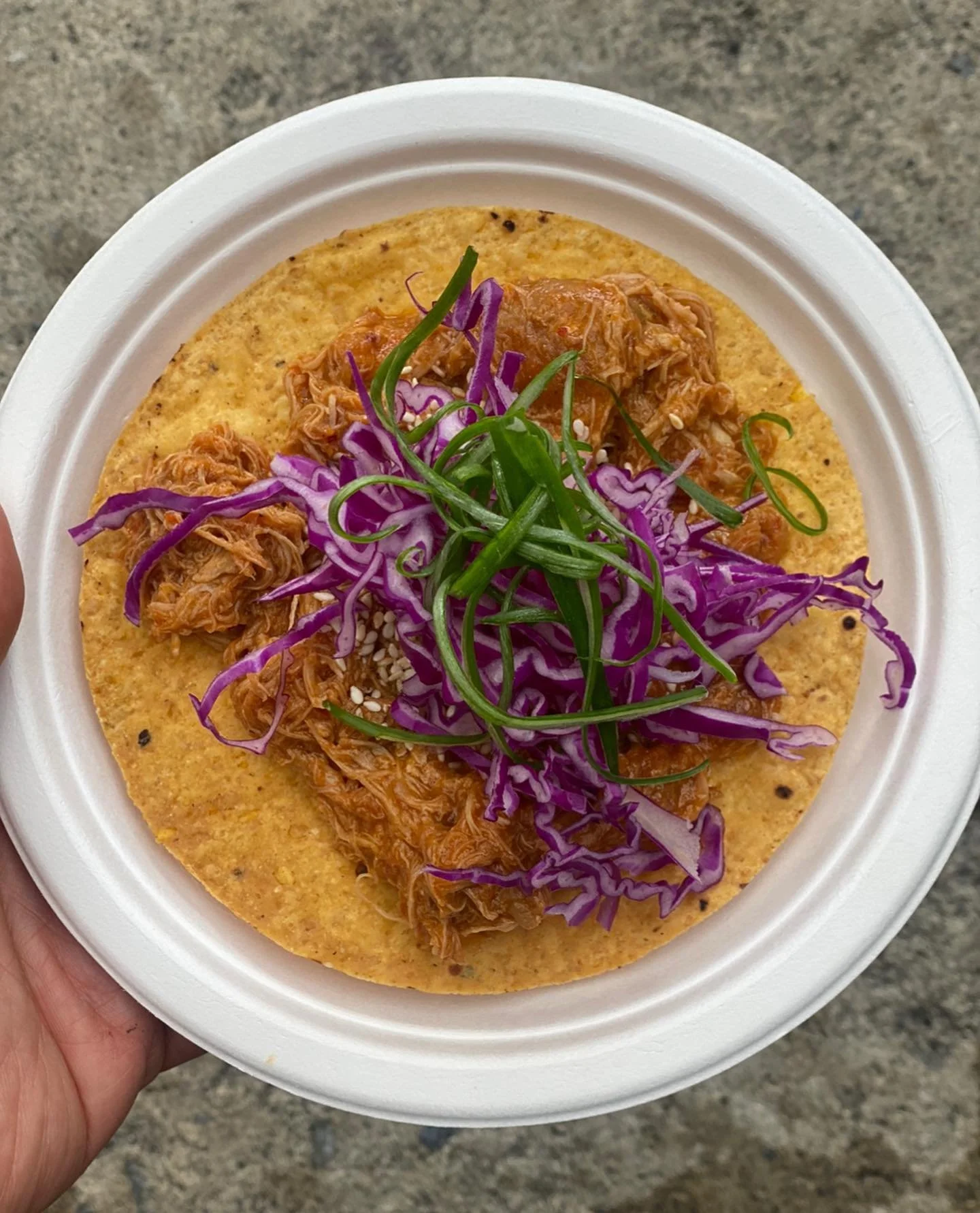
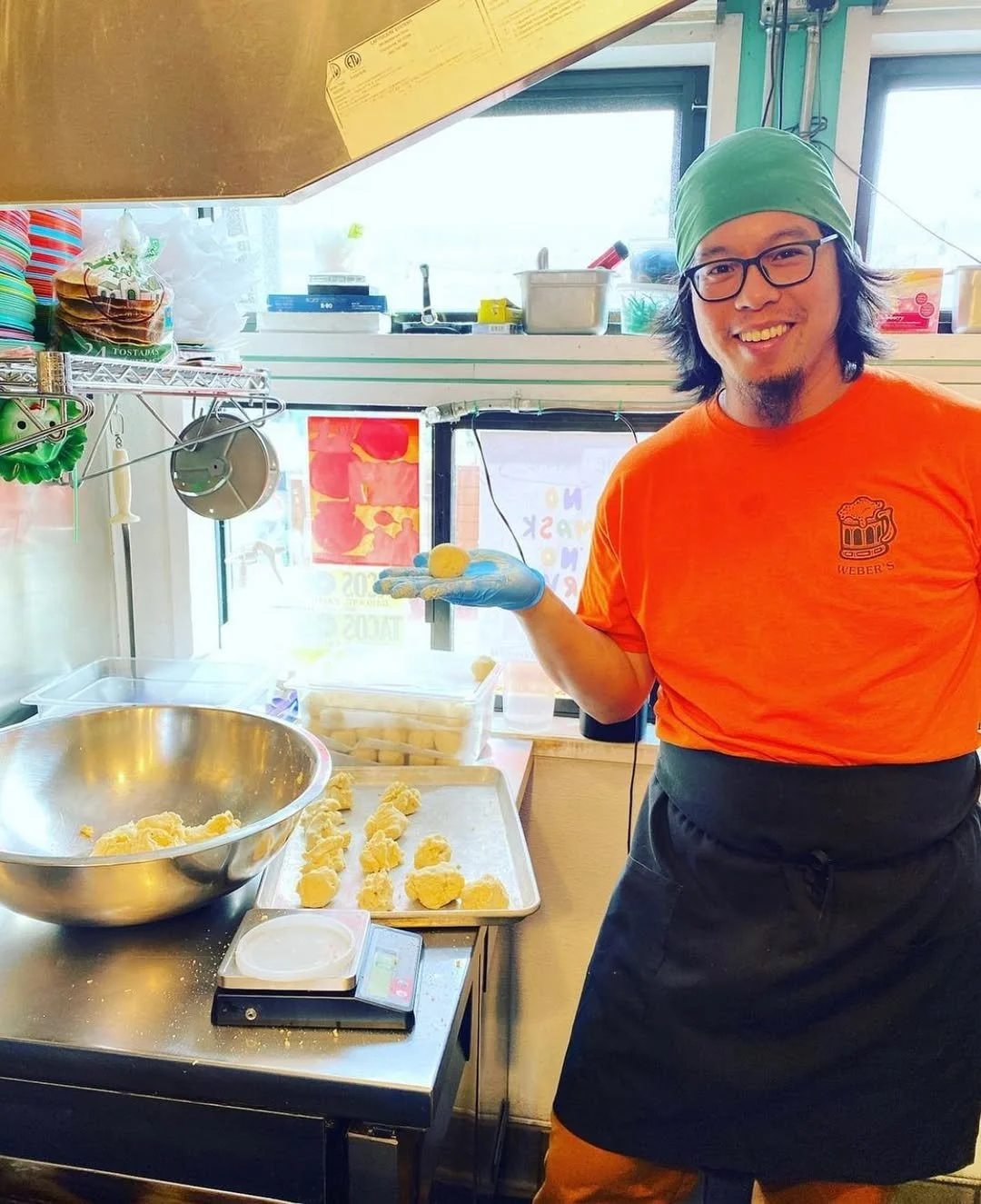
Chef Sincere Justice comes from Vietnamese-Cantonese roots. His popup Tacos Sincero blends fermented salsas, handmade tortillas, and flash‑fermented mash‑ups that speak to heritage, hustle, and home - representative of his upbringing in a Mexican LA neighborhood.

“This country would not exist without immigrants. End of story.”
Chef Sam Butarbutar
Between Two Worlds
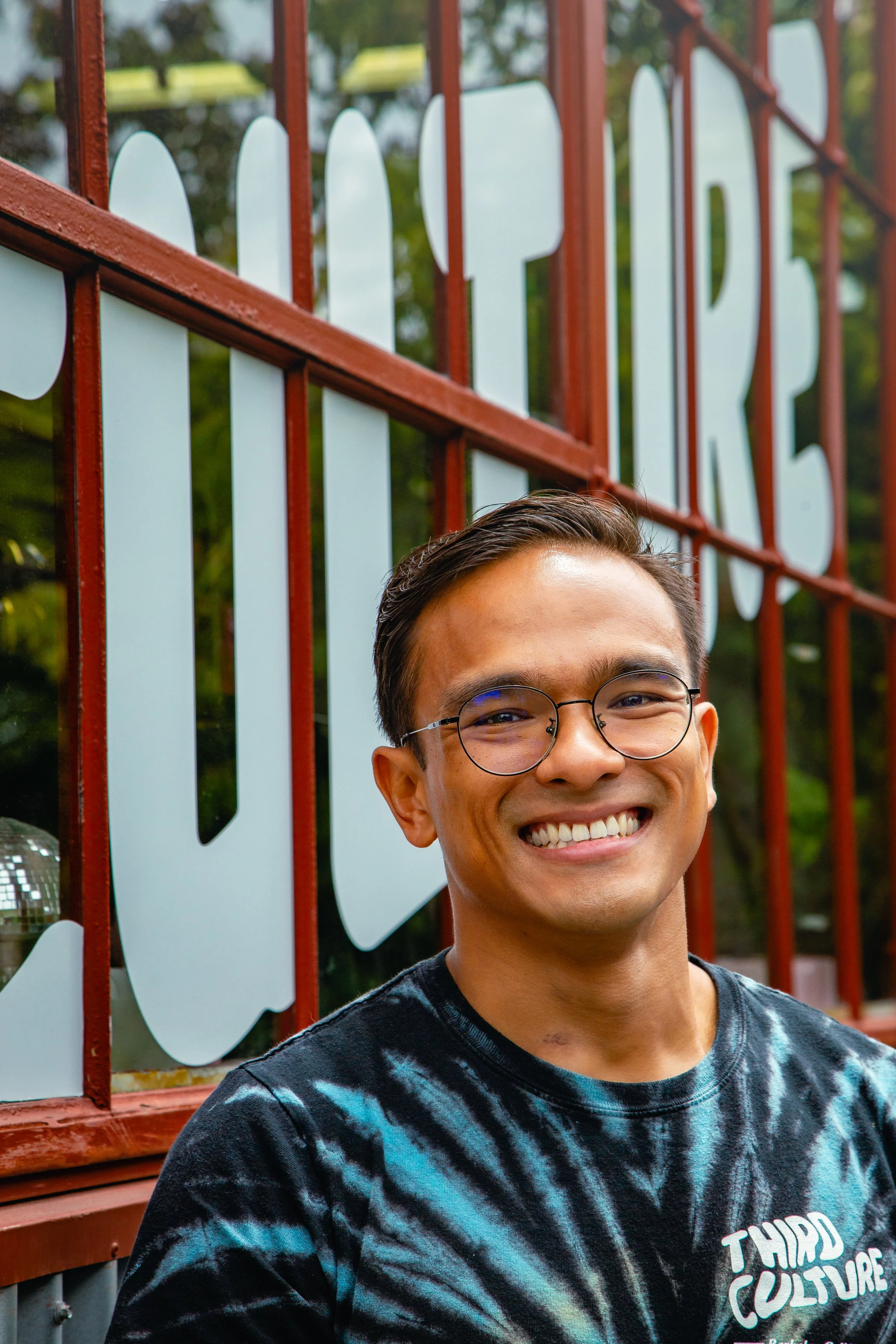
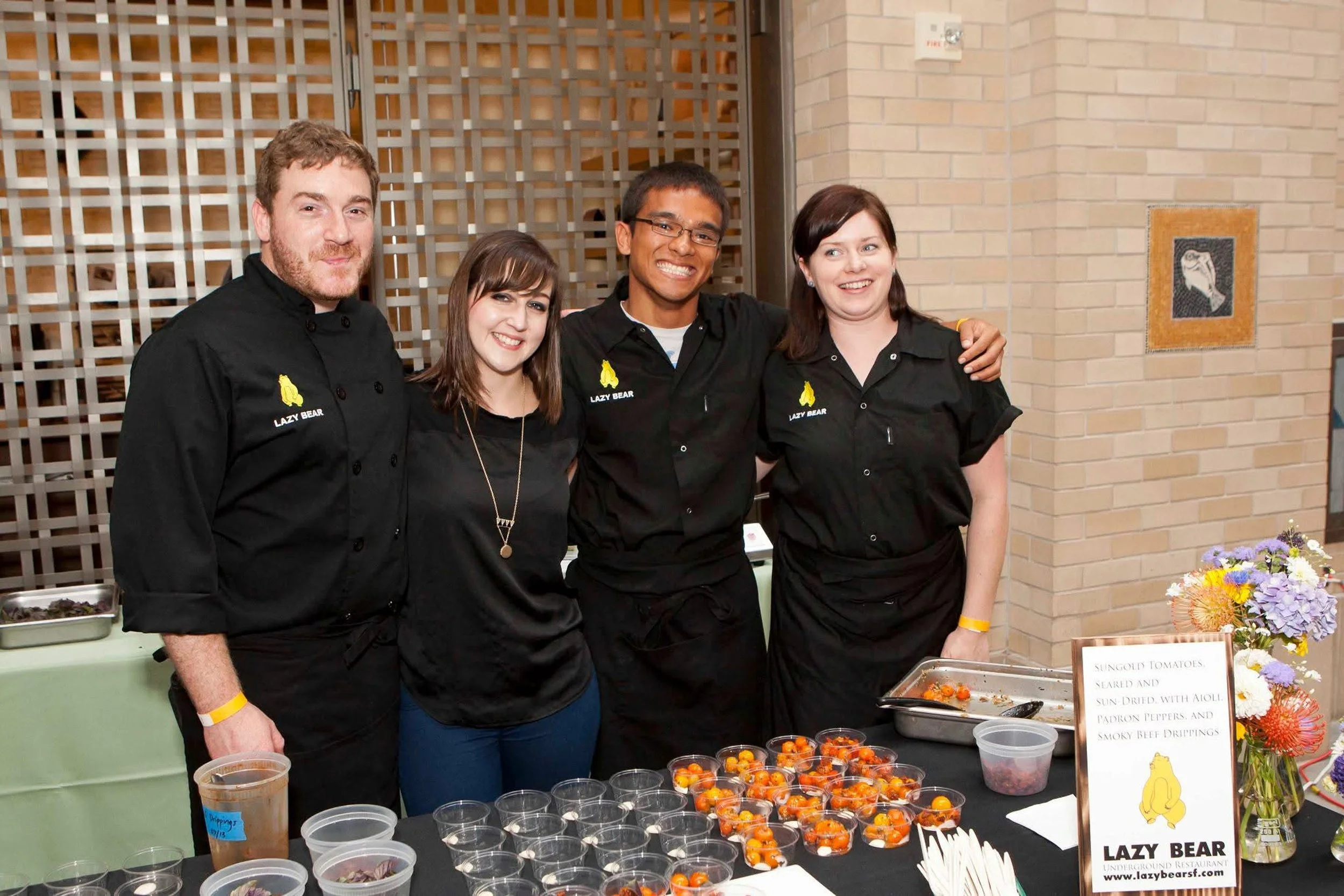
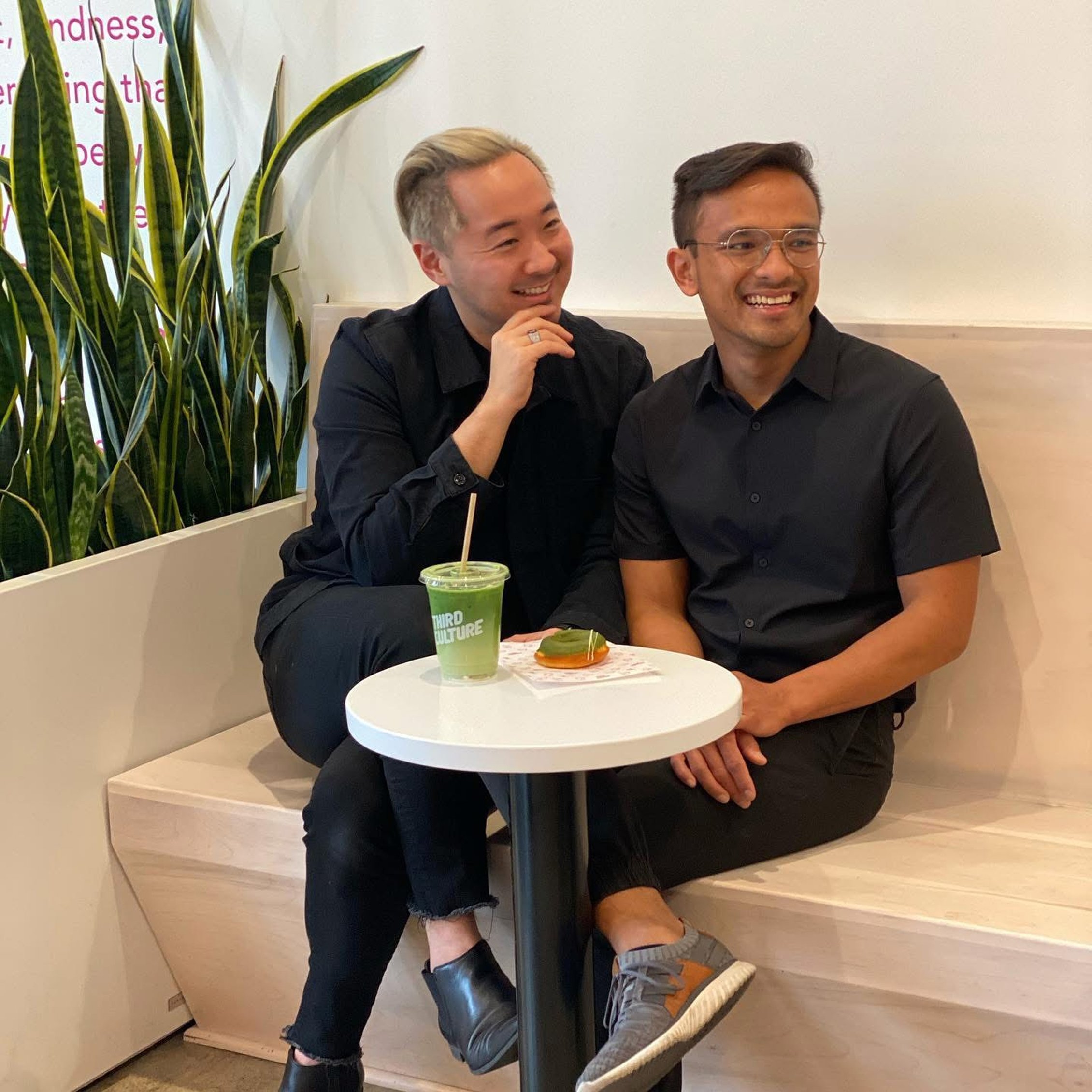
For Sam Butarbutar, co-founder of Third Culture Bakery, home has never been one fixed place. Born in Indonesia, raised in New York, then back to Indonesia, then back again to the U.S.–his childhood was shaped by a constant push and pull between cultures, languages, and ways of belonging.
“When I went back to Indonesia, I wasn’t Indonesian enough. When I was in America, I wasn’t American enough,” Sam recollects. “I had to relearn English multiple times. It was difficult growing up.”
Queer Acceptance
“My blood is Indonesian,” Sam says. “I’m very proud of the cultural upbringing that I had as an Indonesian. But I struggle with the idea of not being accepted as a gay Indonesian American.” That struggle has kept Sam from returning to Indonesia with his husband. “I haven’t traveled there with him,” he admits. “I’m afraid of the consequences.”
And yet, Sam refuses to let that fear define him.
“I’m always talking about my identity as an Indonesian American separately from my identity as a gay man. But now, I just tell people my story. And that becomes part of the fabric of who I am,” he considers. “We love the music, the food, the culture we come from. But for a lot of us in the LGBTQ community, we have to go somewhere else to be okay.”
For Sam, that somewhere else is also within. Acceptance, he says, doesn’t always have to come from external validation. It comes from within.
“I don’t care about these labels anymore. I just tell my story.”
Bringing a Piece of Home Back
“I just wanted to have something in my house that was from Ethiopia, but translated well.”
Daniel’s connection to Ethiopian heritage took root not just in cultural practices, but also in longing for tangible products that could connect him, and others, to a country often out of reach for many.
His thoughts cultivated into Brundo Spice Company, a line of Ethiopian spices. “It was cool, the idea that we could just bring something from Ethiopia that somebody can integrate into their lives,” he says. “You want to maintain a connection to culture in a way that preserves it. You want to be able to share it.”
A Sense of Belonging
While moving back and forth between Indonesia and the United States, Sam found himself once again in an unfamiliar setting: a fourth-grade ESL classroom in Queens. What he didn’t expect was to find community in that shared unfamiliarity. “I distinctly remembered that I was in a class full of immigrants… so many people from different Latin American countries, Southeast Asian countries–it was just like the most diverse class, diverse skin colors.”
For a child in between cultures, it was a full year of recognition and solidarity, of seeing and being seen.
“It was incredible because I think all of us just felt a sense of belonging that we were struggling through this system together,” he says. “Even though we were really young, we were so close for the full year. The parents even got to know each other. It was really wonderful.”
A Product of Immigration
“I am a product of immigration,” Sam states. “None of us are here to take advantage of anything. We always come with such a hunger to do better, a hunger to improve the livelihood of others. Immigrants are the people most willing to help because they recognize the struggle of other people.”
Our MC
Tu David Phu
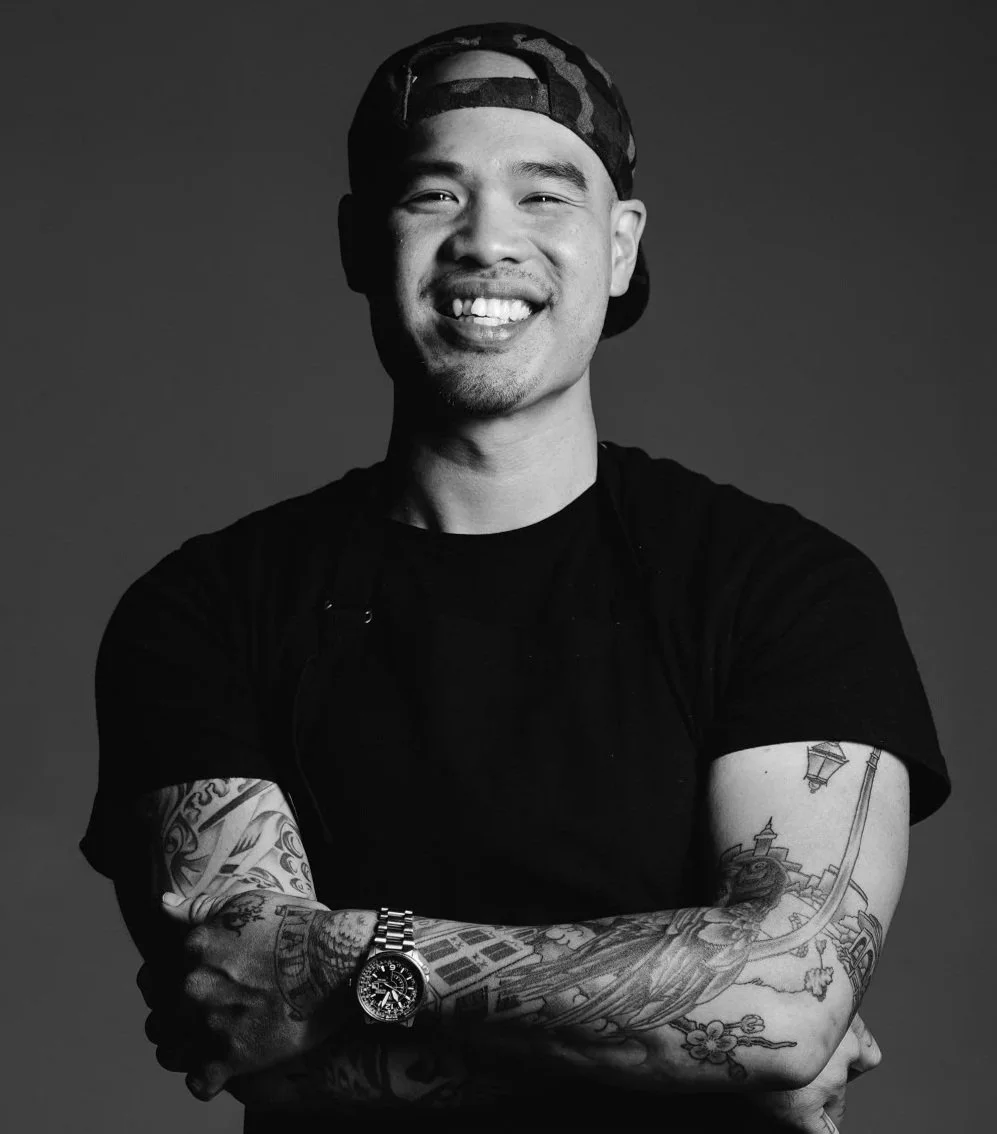
Chef Tu David Phu, a San Francisco Chronicle Rising Star Chef and chef-partner at GiGi's, a Vietnamese-influenced wine bar in San Francisco, draws on his Oakland upbringing and the resilience of his refugee parents.
His roots trace back to Phu Quoc, Vietnam, where his family has crafted artisanal fish sauce since 1895.
Our Performers
-
Batala SF
-
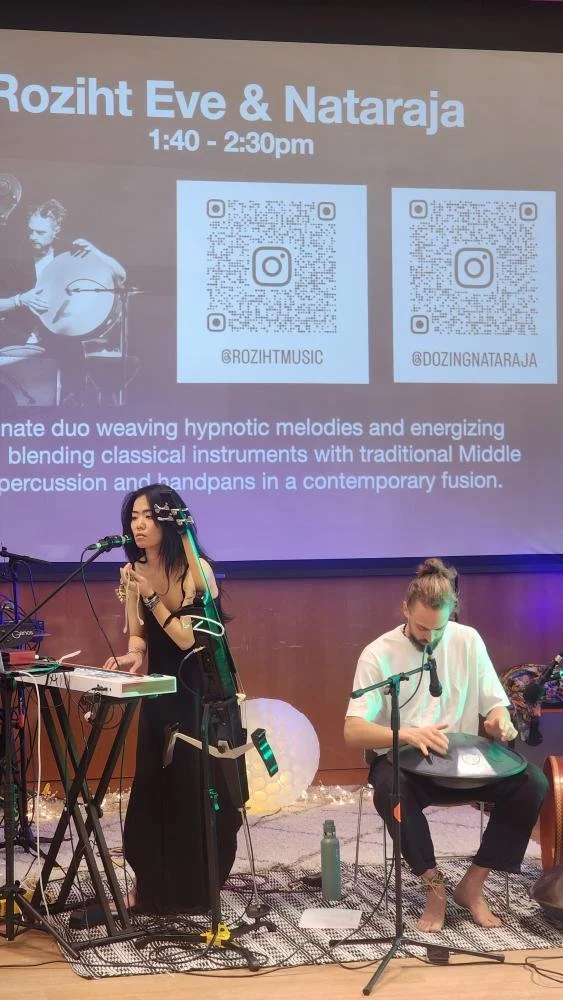
Roziht & Nataraja
-
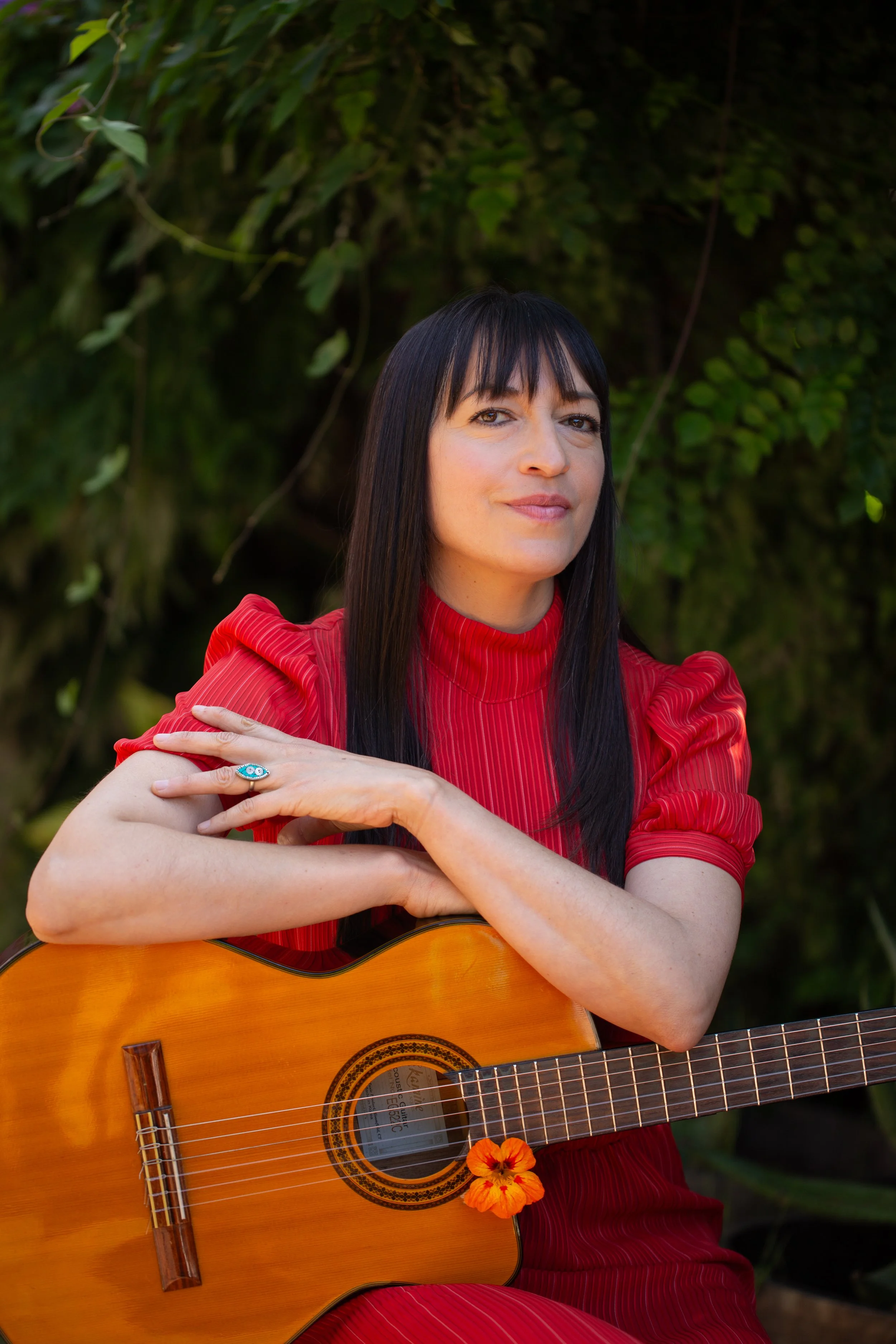
Diana Gameros
-
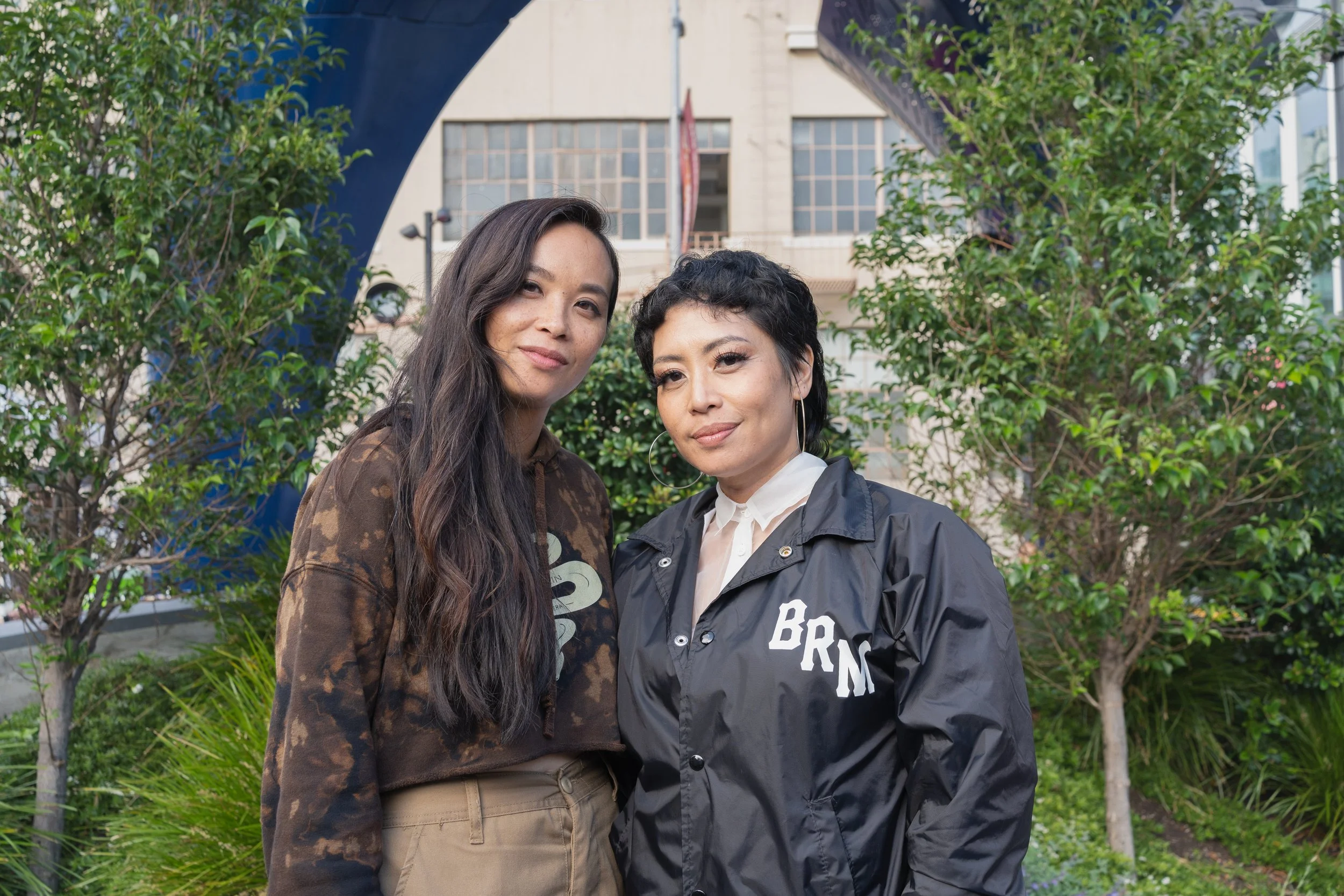
Rocky Rivera & DJ Roza
-
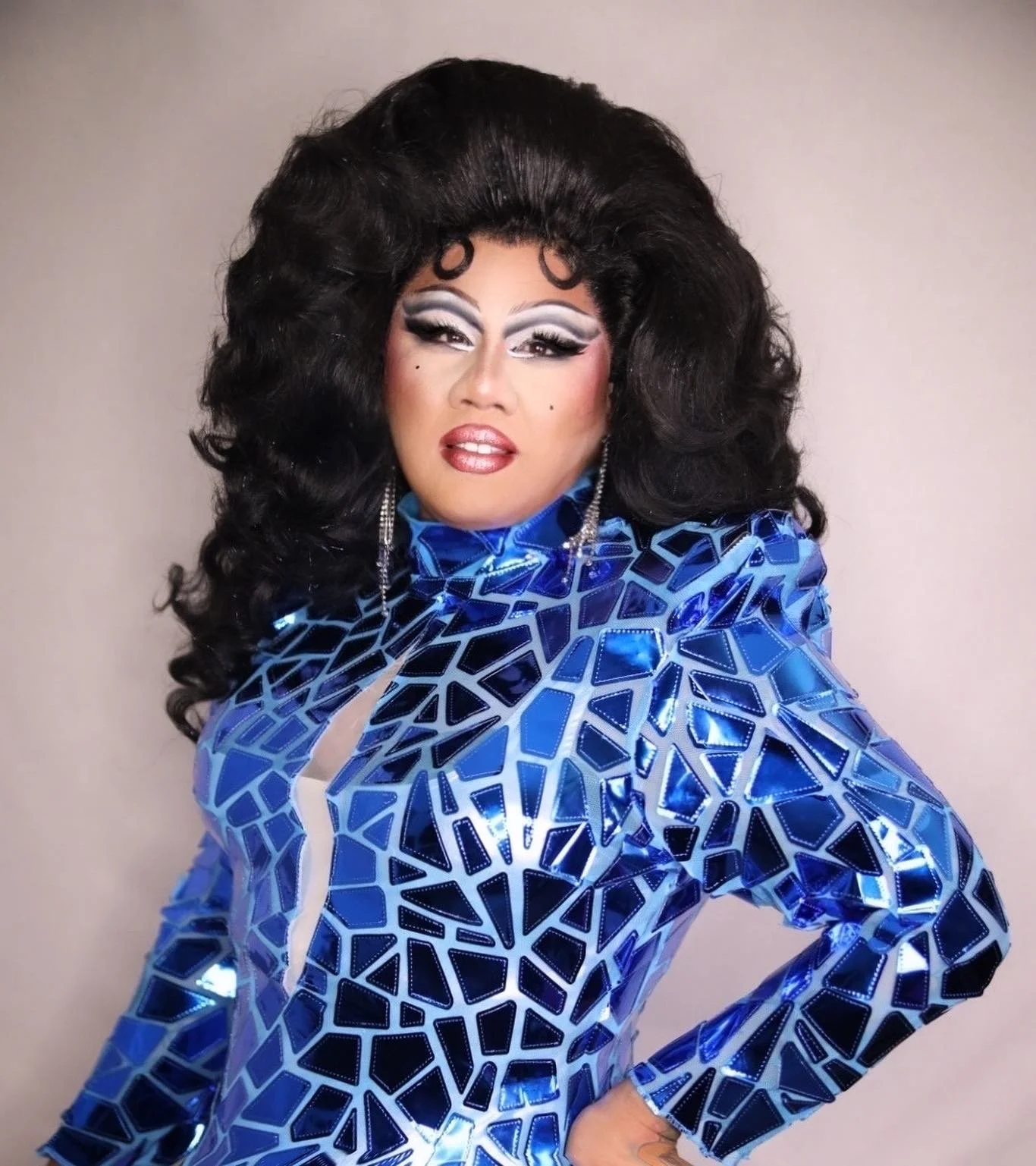
Nia Politan
-

Hipline Dance
-
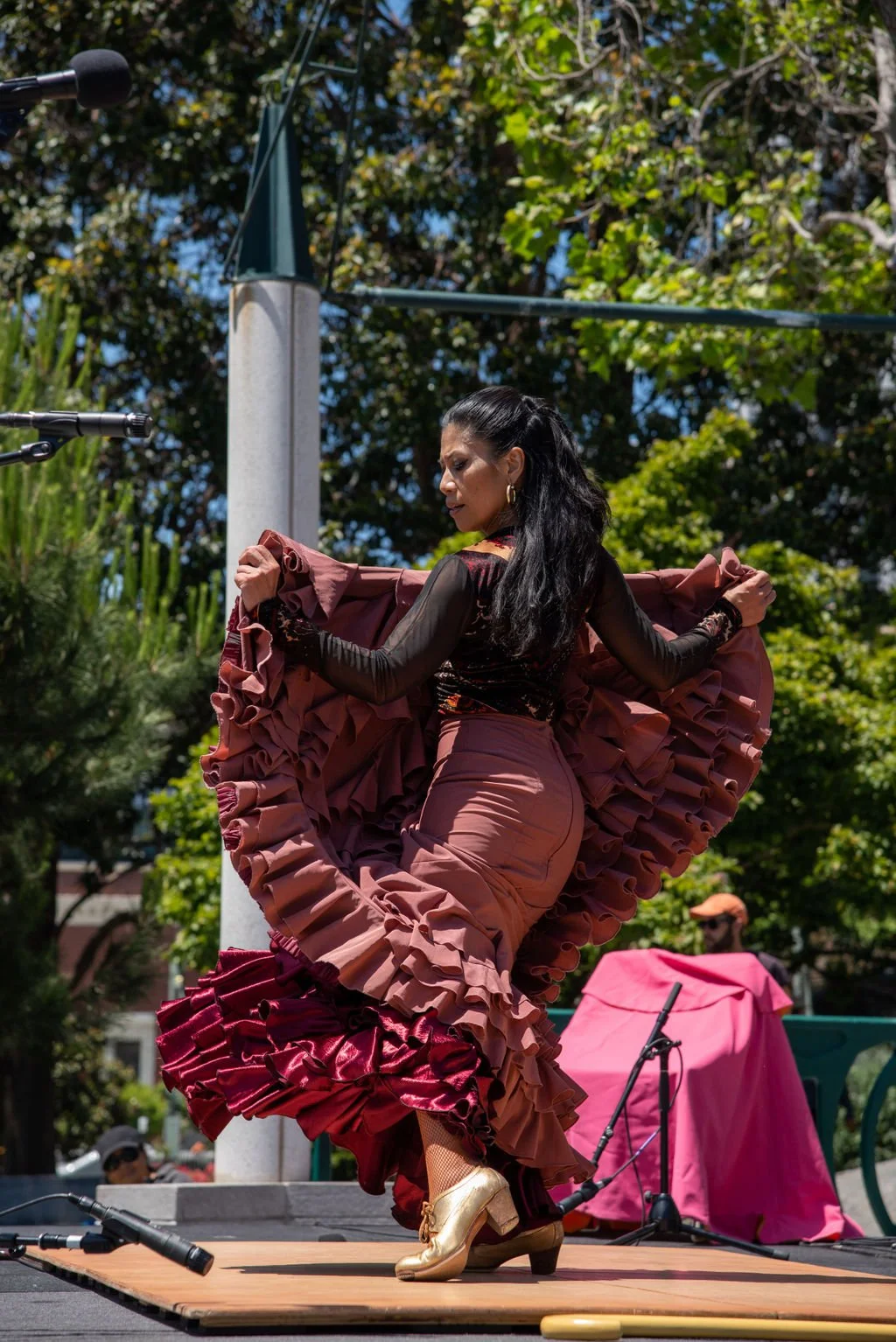
Melissa Cruz
-
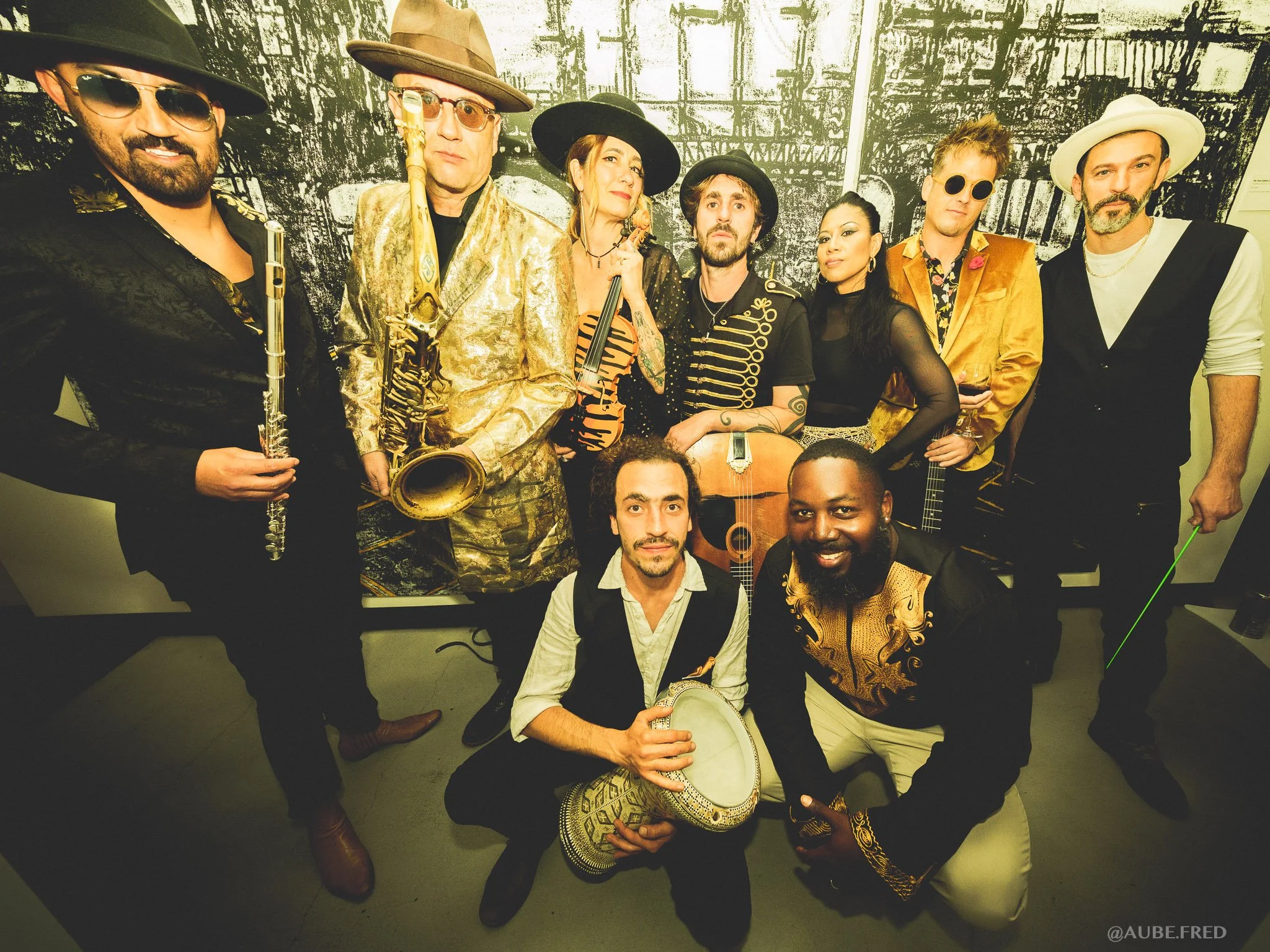
Barrio Manouche
Thank you to our sponsors for making BBQ Without Borders 2025 Happen!